


HR

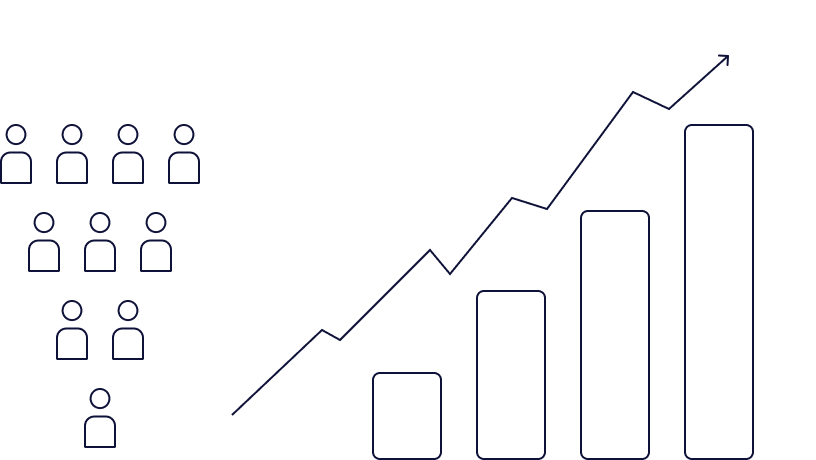
Are you planning your workforce around current demand or future demand?

Hiring too late or too much isn’t a judgment error. It’s the result of planning without a model that looks ahead.

The cost of wrong workforce allocation isn't just financial. It's operational: lost productivity, slowed delivery, overloaded teams that can't hold up.

Do these challenges sound familiar

Workforce planned on last year's data

The HR plan reflects the past organization, not future demand. When the operational context changes, the structure isn't ready to respond.

Productivity without explicit measurable drivers

You know a team is underperforming. You don’t know why. There’s no model linking organizational variables to measurable operational results.

Organizational decisions without scenarios

Hiring, reallocation, restructuring: choices are made without comparing the impact of alternatives. You decide on experience, not data.

HOW CAN WE HELP YOU?

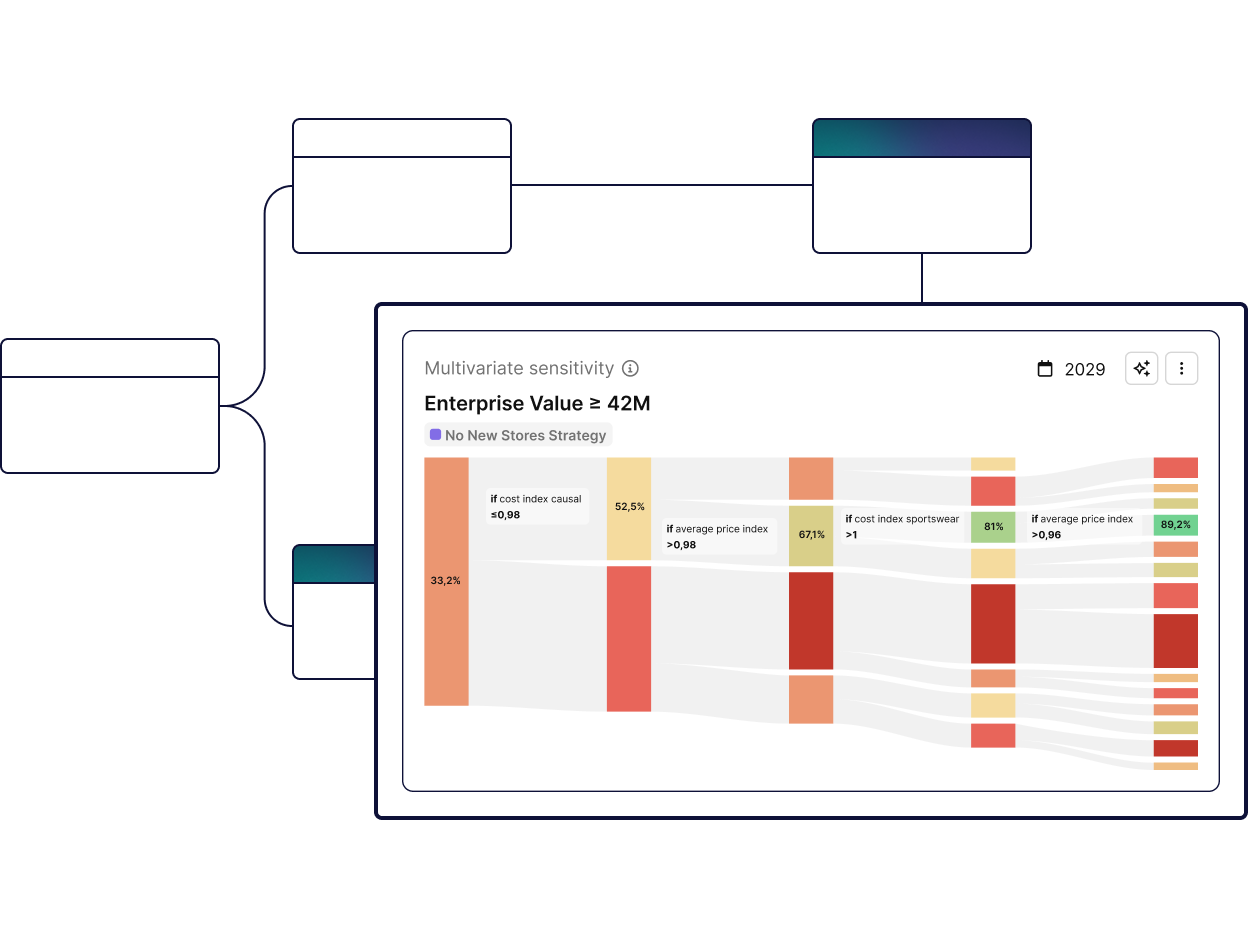
WhAI connects operational demand, organizational structure, and personnel costs into a model that transforms workforce planning from an annual process into a continuous decision lever.

Align structure to demand ahead of time

The model projects future operational demand and identifies workforce gaps before they impact delivery. You decide ahead of time, not under pressure.
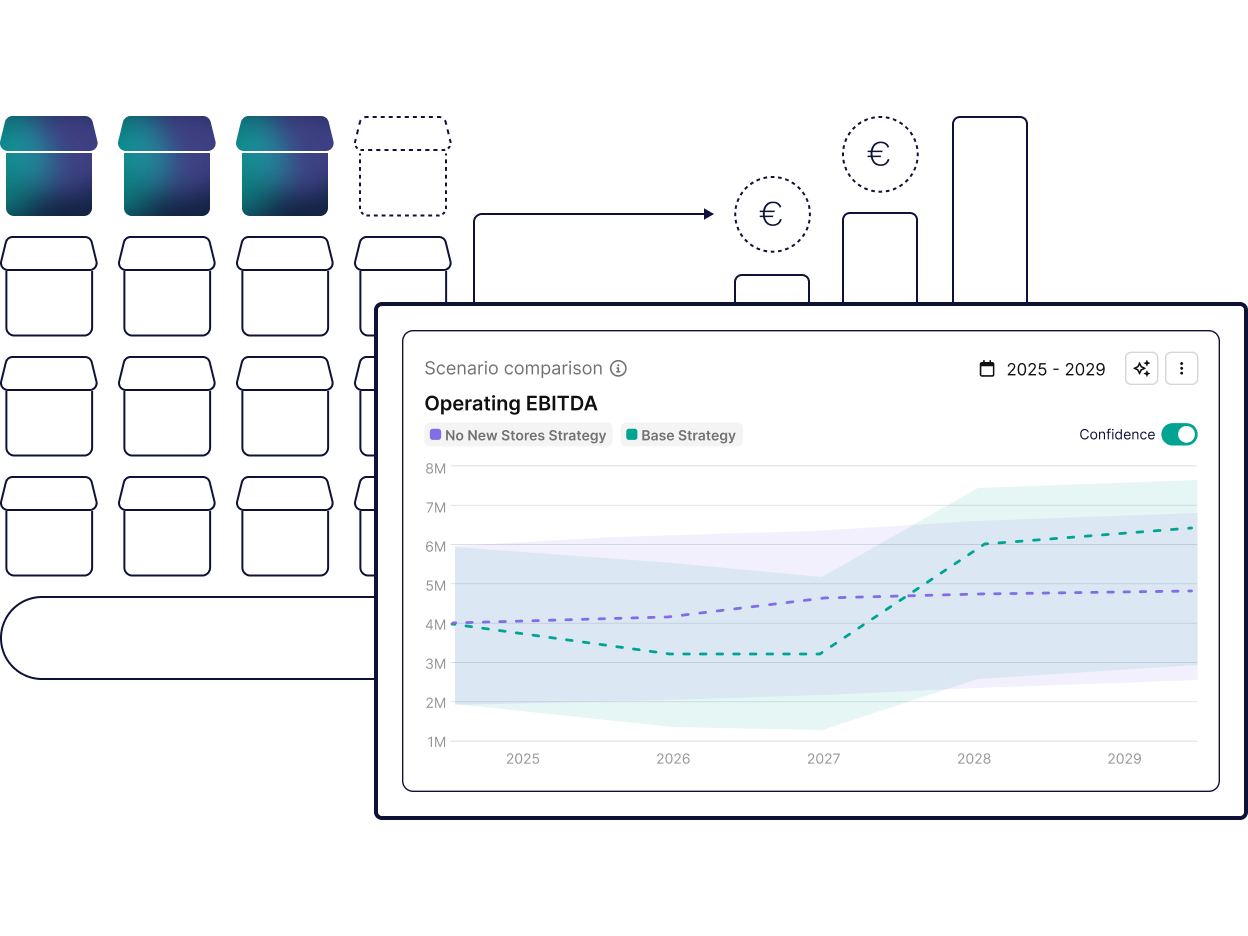
Connect organizational structure to real productivity

Not isolated HR metrics. A model that links team composition, workload, and skills to operational results. Understand what drives productivity and what holds it back.
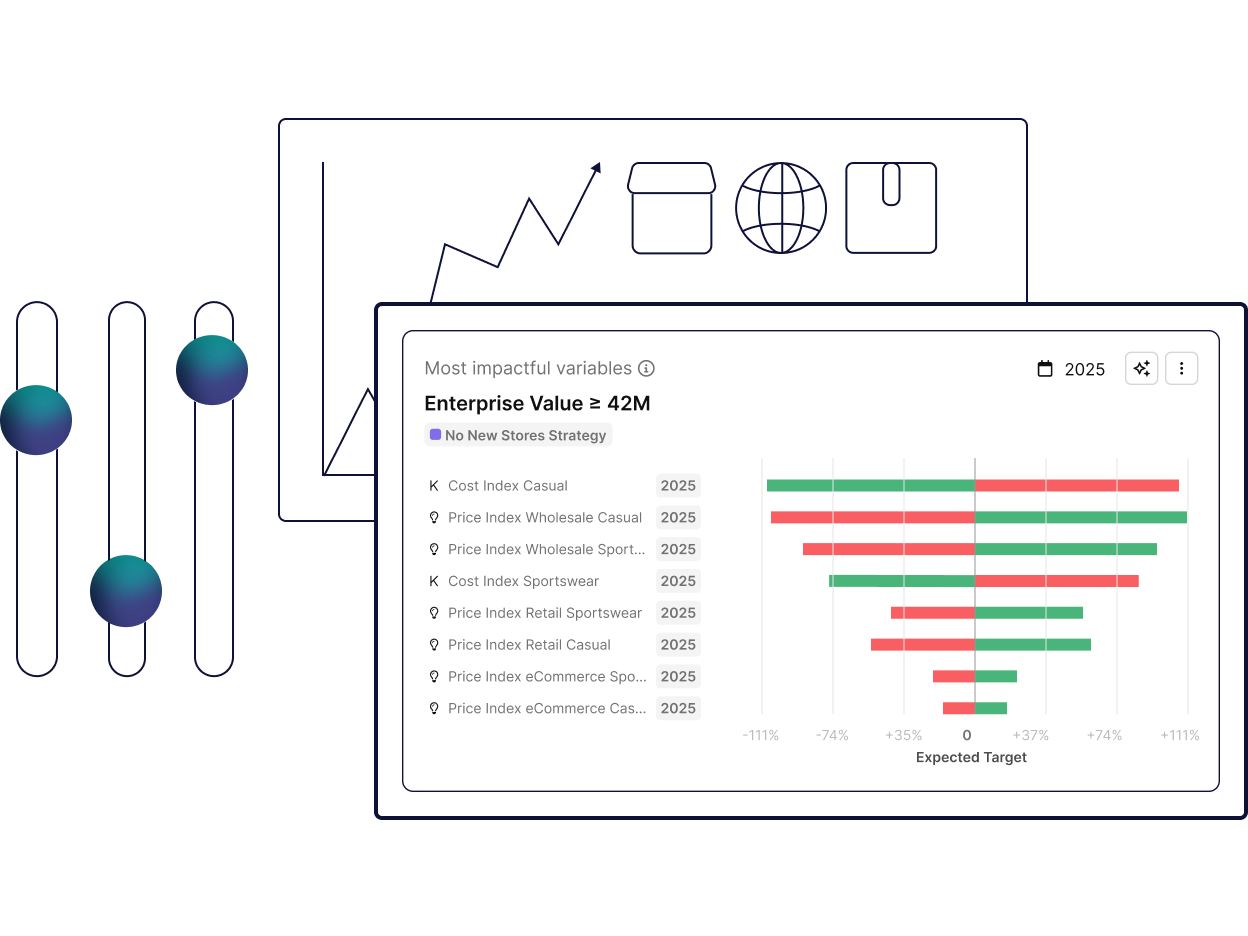
Compare organizational scenarios before deciding

Hiring, reallocation, outsourcing: every option has an impact on costs, productivity, and objectives. Choose between real alternatives, not just yes and no.

BENEFITS

Discover the benefits of WhAI for your business

Fewer operational gaps to manage urgently

When demand changes, the structure is already ready to respond. You don't chase the problem, you've already anticipated it.

Workforce planning built on scenarios, not estimates

The HR plan is built on operational demand projections, not on spreadsheets updated once a year.

Organizational decisions with documented impact

Every choice about people and structure has a quantified rationale. Not just a direction, a number attached.

Insert a label

insert title

Insert description

Free Trial
Explore WhAI's basic features to help your company identify the most relevant strategic questions for its market.
Free
REQUEST TRIAL
Starter
Choose a plan that enables your company to start making more informed and data-driven strategic decisions.
€3.500
/Month
REQUEST a demo
popular
Advanced
Enable your company to access deeper and more customized analyses to support complex, multi-team strategies.
€5.500
/MONTH
REQUEST a demo
Enterprise
Provide your company with a scalable and advanced solution to manage strategic decisions in dynamic environments.
€8.500
/MONTH
REQUEST a demo

WhAI, the platform that turns AI into measurable value

WhAI adds the missing layer between AI and business

Frequently Asked Question

What is WhAI?

WhAI is Vedrai's decision intelligence platform. It connects operational demand, organizational structure, and personnel costs in a model that brings decision rigor to workforce planning.

Who is Vedrai?

Vedrai is an Italian tech company specializing in decision intelligence for companies, investors, and consulting firms.

Does it integrate with major HRIS?

Yes. WhAI connects to major HR systems such as Workday, SAP SuccessFactors, Personio, and others. The setup phase includes an assessment of available sources.

How does it connect HR structure to operational results?

WhAI builds a causal model that links organizational variables (team composition, workload, skills) to measurable operational KPIs. The model is calibrated on the company's real data.

How long until the first workforce planning outputs?

First demand projections and first organizational gap analyses are available within weeks of onboarding.

GET IN TOUCH

This isn’t a choice you have to make.

It’s a choice you’re already making.

Every day you decide what to do, when, and how to do it. The difference is whether you do it with WhAI or not.

Check other suggested content

Why is Decision-Making complicated?

The emotional impact, the challenge of the complexity of options, information overload, cognitive biases, conflicts and uncertainty are just some of the factors that make the decision-making process intricate.

Causal AI, the new frontier of Artificial Intelligence

From the 1950s until today, Artificial Intelligence has evolved to the point of enabling new computing capabilities and expanding its application fields. Vedrai's AI supports managers in decision-making processes, allowing them to understand the exact causes of every event and intuitively visualize the results of products.

Sensitivity Analysis, what it is and how it is applied

Sensitivity analysis is the set of mathematical techniques used to observe how changes in certain input variables to a model modify its output results. Put simply, we observe how asynchronous variations of individual variables influence the final results.