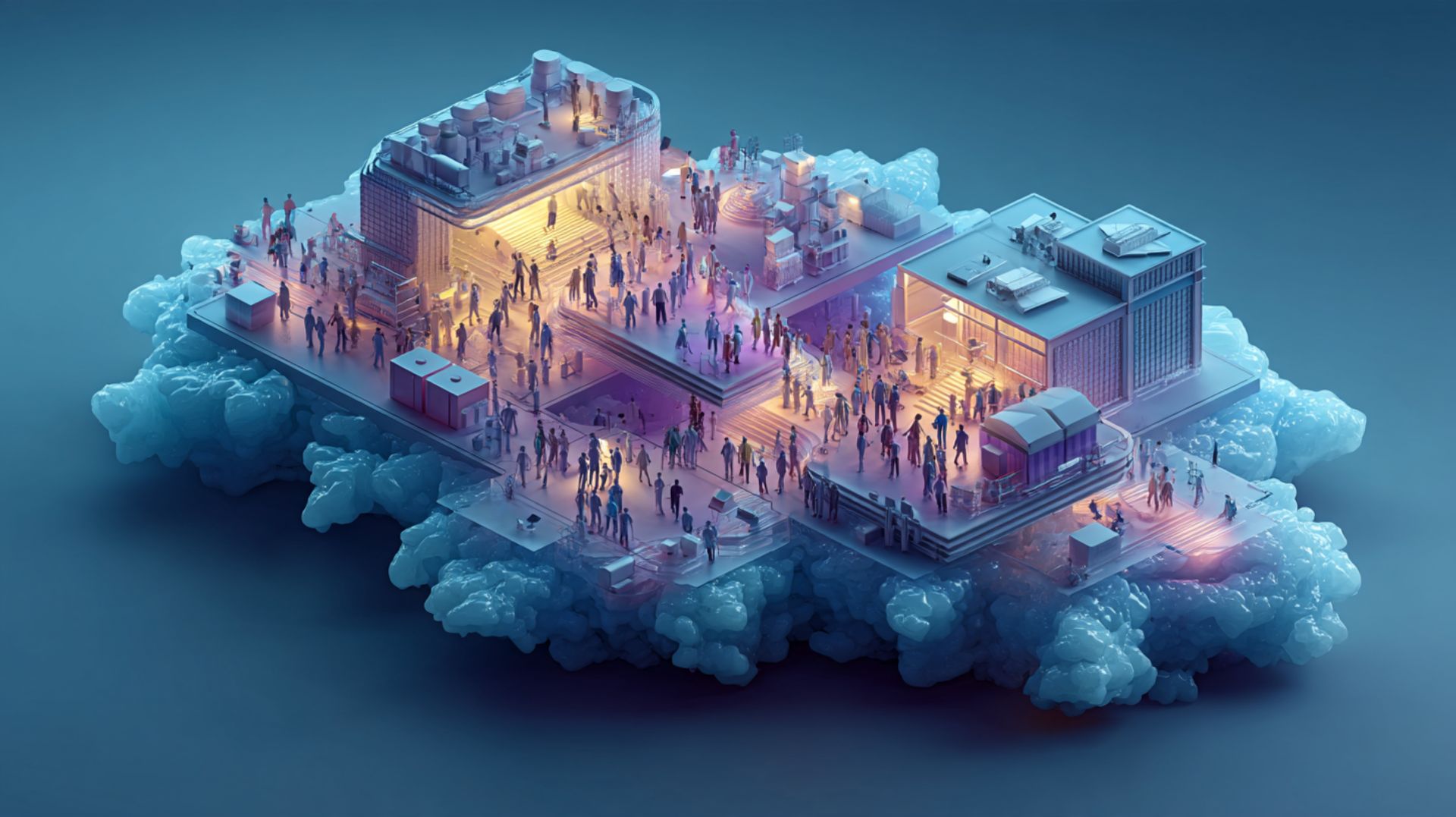
Across retail and manufacturing, HR departments are now closing their 2027 budgets — deciding how many people they need, with which skills, and at what cost. Yet that plan, built on annual averages such as headcount, FTEs and labor cost, meets a reality made of hours, shifts and specific competencies. When departures, absences and demand peaks pile up in the same period, the gap between the two plans turns into a tangible problem: service on the shop floor and deliveries in the plant. Vedrai Observatory cross-referenced the latest data on employment, workforce needs, absences and hiring intentions with quantitative workforce-planning models, showing that the annual budget and the weekly roster are not two separate exercises. Forecasting, simulation and optimization make it possible to link them into a single decision cycle. October's budget and tomorrow's shift are, ultimately, the same decision seen on two different clocks.
KEY INSIGHTS
- The budget thinks in averages; the shift lives in the cells. A staffing coverage that looks acceptable company-wide can hide individual stores or departments where a critical role is covered barely over half the time. The real risk isn't how many people are missing, but failing to see in advance where and when they will be.
- The market returns fewer skills than it loses. 44% of planned hires are hard to fill, and over 3 million workers will need replacing by 2029. A departure removes a fully autonomous person immediately; a new hire reaches full effectiveness months later — so one-for-one replacement balances the headcount but drains real coverage for years.
- One model for two horizons. Linking forecasting, simulation and optimization turns headcount planning from a count into a system: comparing 2027 scenarios by probability of coverage, and re-planning the week under real constraints when an absence or a peak hits. AI doesn't decide who covers the shift — it makes the cost of every possible response visible in advance.